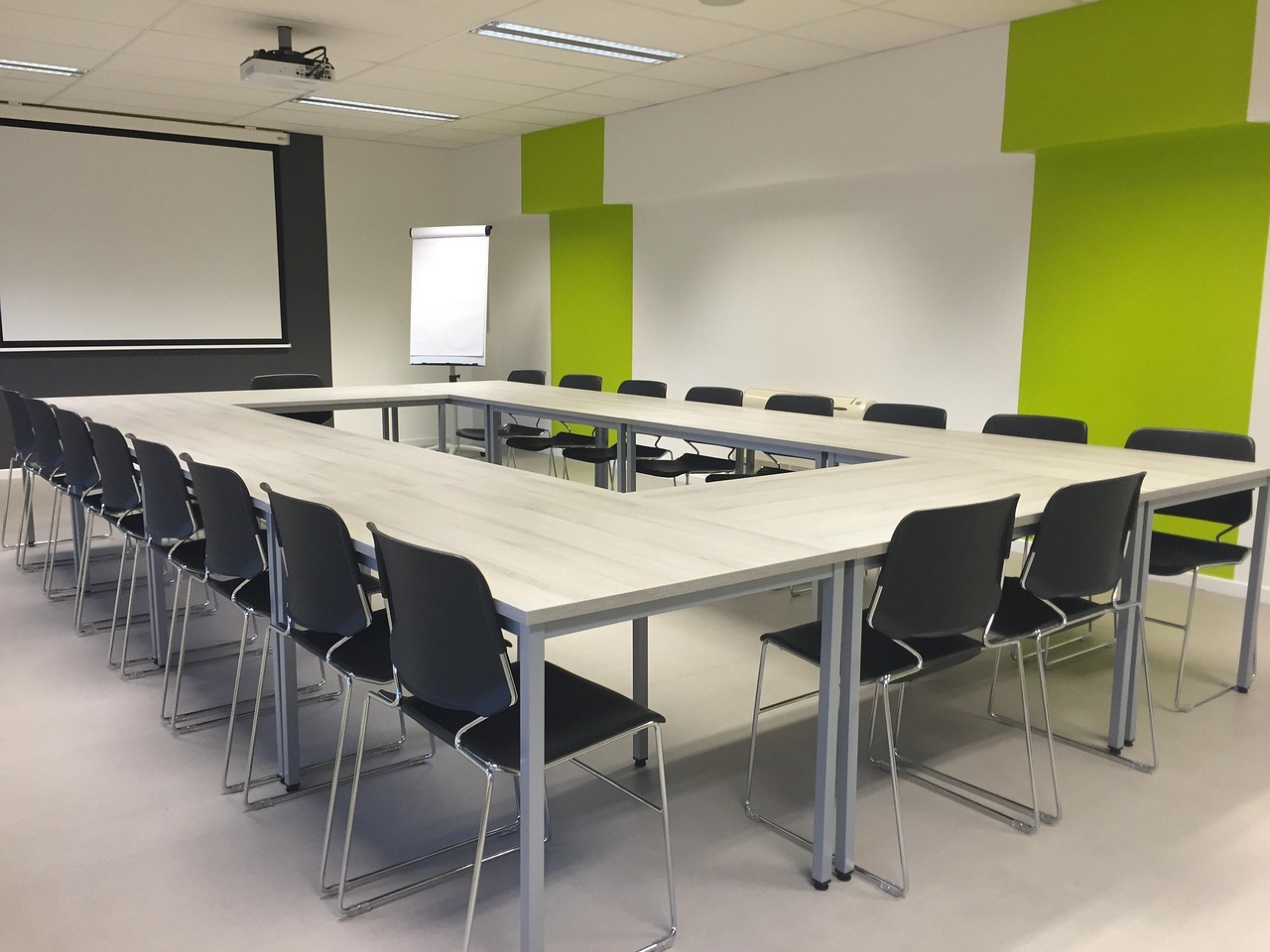
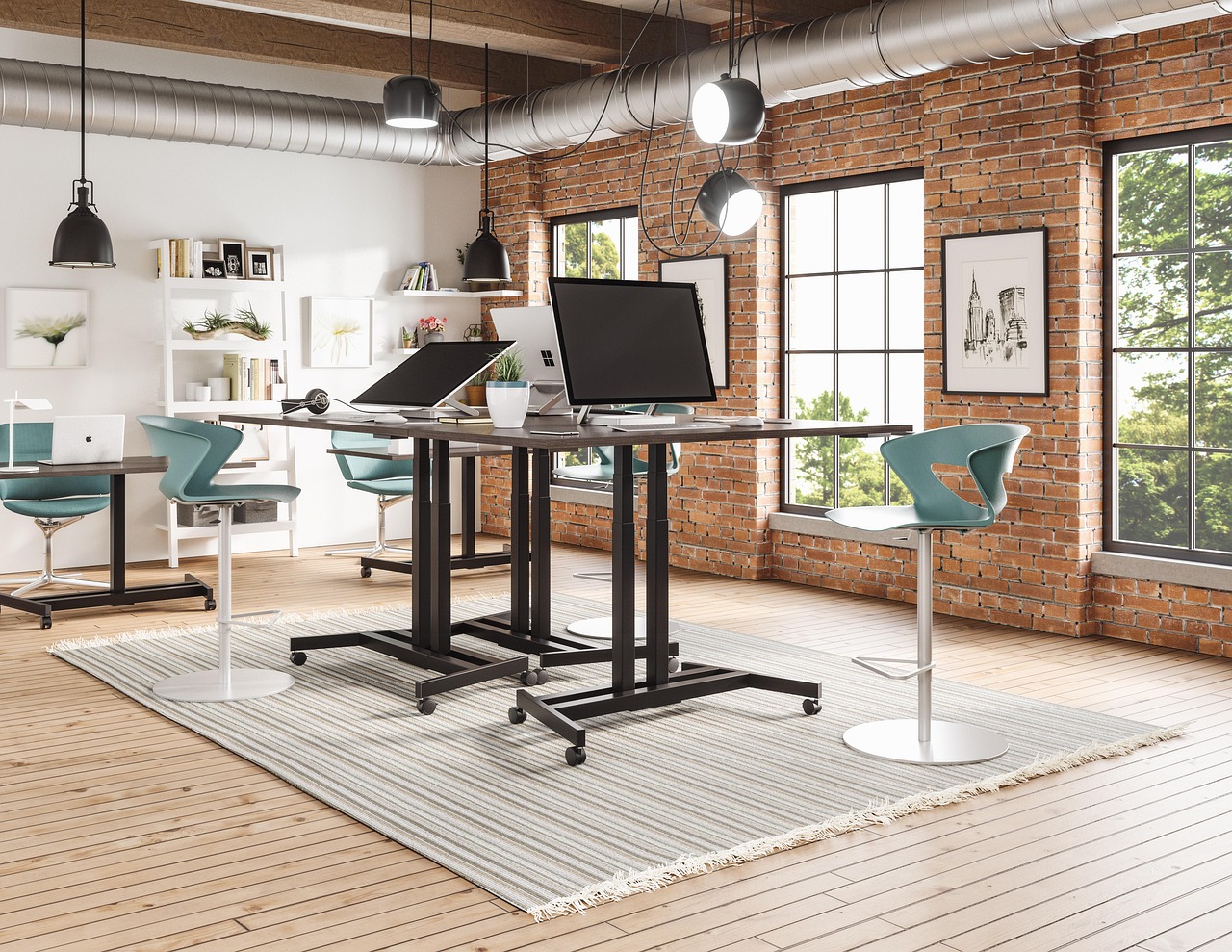
The width on the listing is the width of the desk. It is not the width of the space the desk needs, and the gap between those two numbers is where most furniture-buying mistakes live.
Behind the desk: 36 inches minimum
A chair needs to move back far enough for someone to stand up. Thirty-six inches from the desk edge to whatever is behind it is the working minimum; forty-two is comfortable.
If the space behind is also a walkway, add another eighteen inches so someone can pass behind a seated person without a negotiation.
At the sides: it depends what is there
A desk against a wall on one side needs an inch or two of tolerance, not more. A desk between two walls in an alcove needs at least two inches total or you will not get it in — and measure the alcove at both the top and the bottom, because walls are rarely parallel.
A desk with a filing cabinet beside it needs the cabinet’s drawer extension in clear space in front of the cabinet, which is often more than people allow.
Depth is where people compromise wrongly
Thirty inches of depth is comfortable for a single monitor. Twenty-four is workable. Below that, a monitor at a sensible viewing distance ends up too close, and the usual result is that people push the screen back until it overhangs the edge.
For dual monitors, depth matters more than width — the screens angle towards you and eat depth.
Standing desks change the calculation
A height-adjustable desk needs vertical clearance too. Check what is on the wall above it: a shelf, a picture rail, a window sill. A desk that fouls a sill at full height has lost the feature you paid for.
Check the cable run as well. A desk that rises eighteen inches needs eighteen inches of slack on every cable, and the usual failure is a monitor power lead pulled out at full extension.
Expanding and folding tables
An expanding desk has two footprints and both need to work. Measure for the extended size, because the extended size is why you are buying it.
A folding table needs somewhere to go when folded — flat against a wall is roughly its width by four inches, on a trolley is different again. Decide the storage location before ordering, not after.
The delivery route
This catches people out with large tables in particular. An assembled folding table cannot be made smaller. Measure the narrowest point between the front door and the room: usually a doorway, sometimes a stair turn, occasionally a lift.
Flat-packed desks avoid the problem entirely, which is the one real argument for assembly.
Write it down
Room width and length. Clearance behind the desk position. Alcove width at top and bottom. Doorway width. Wall height above the desk if it adjusts.
Send those numbers to us and we will tell you what fits — contact page — or browse Desks and Workstations.
All notes
Browse the full range in the shop, read the frequently asked questions, or contact us — YourChairGuy, Albuquerque, NM.