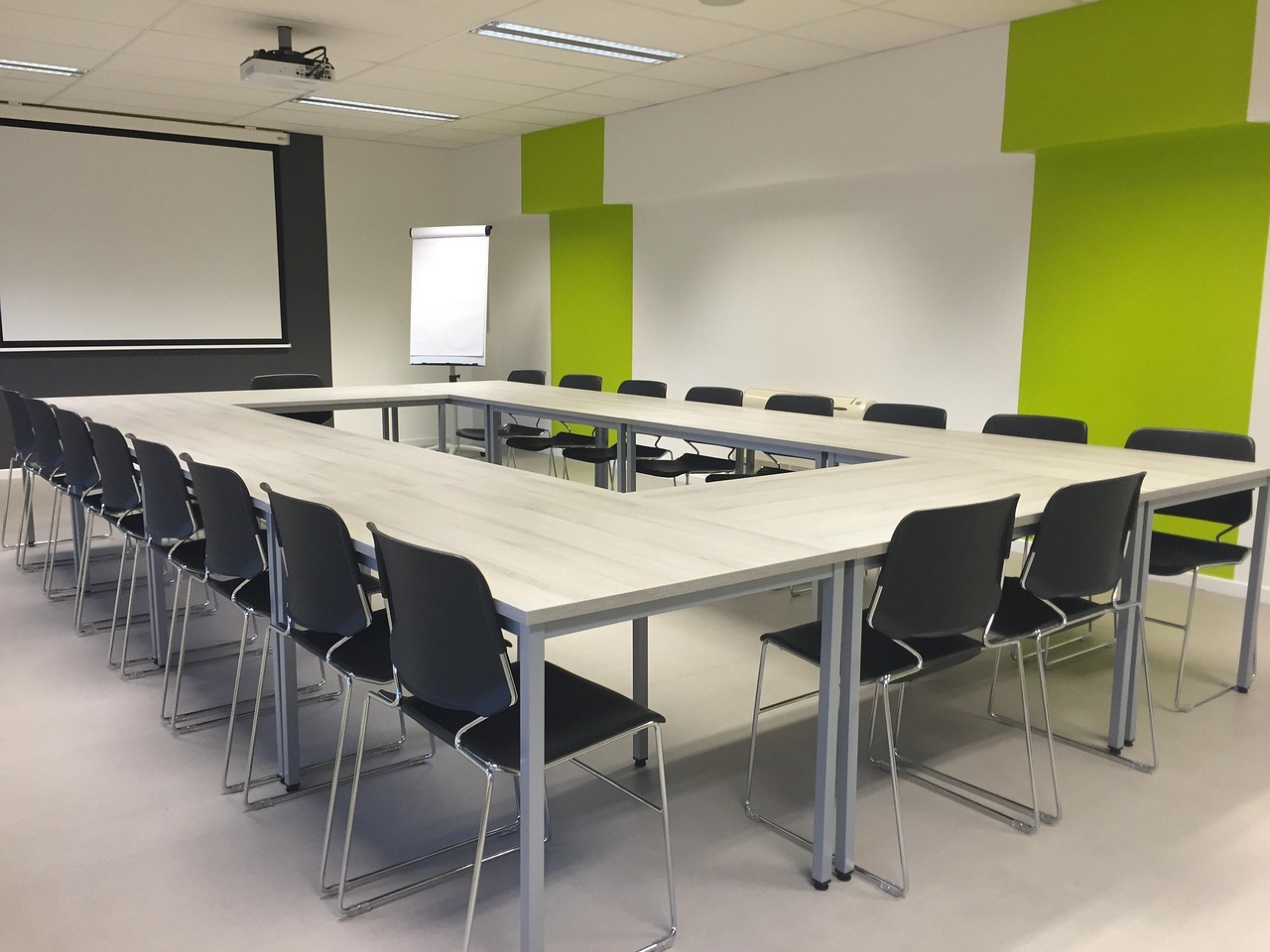
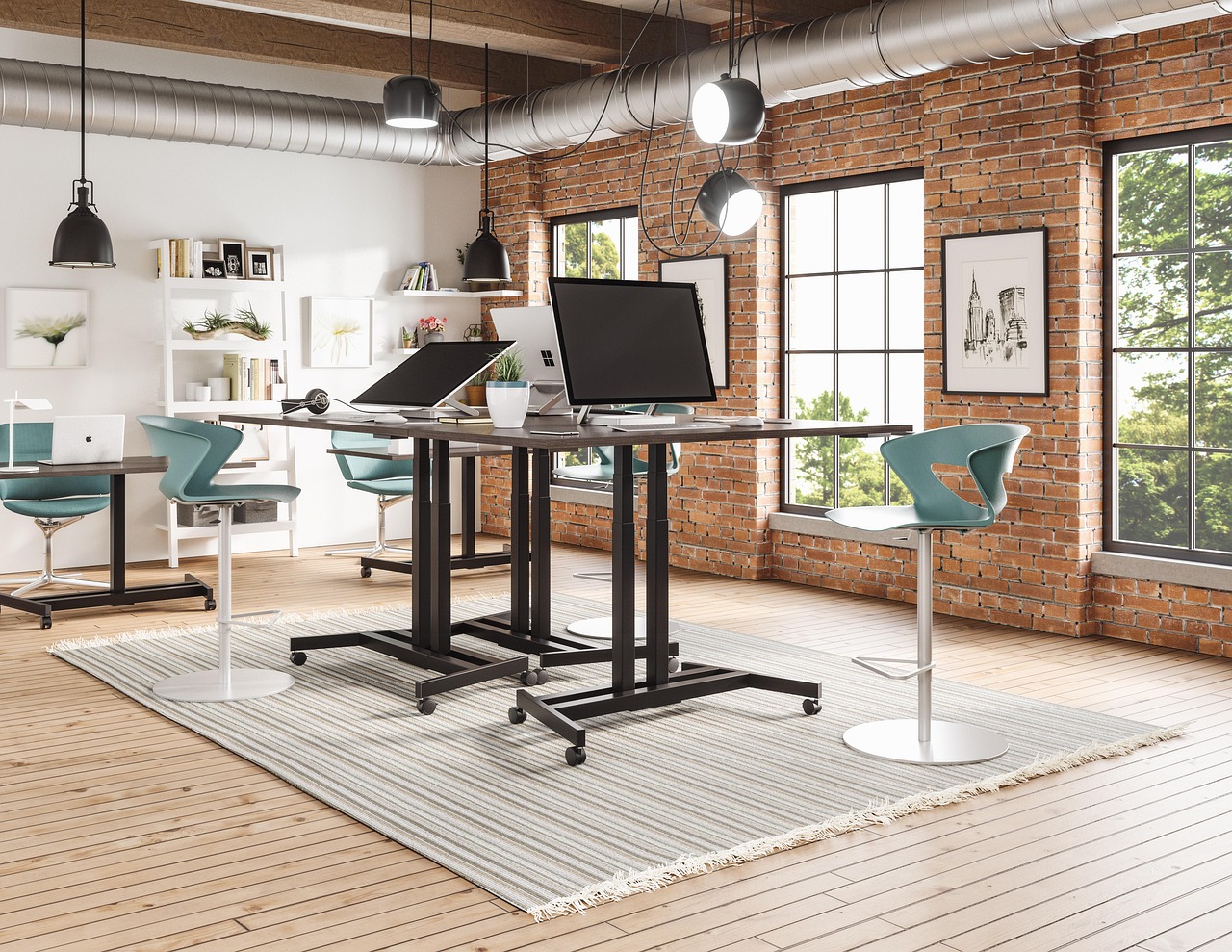
Two folding tables, both 72 by 18 inches, both white, both photographed on the same white background. One is thirty dollars and one is a hundred and forty. The difference is real and it is in three places.
The top
A commercial-grade table has a plywood or high-density laminate core, usually three quarters of an inch, with a wear-resistant surface bonded to it. A domestic table often has a blow-moulded plastic top with a hollow ribbed structure.
Blow-moulded tops are light and adequate for a folding table that comes out twice a year. Under a continuous load, or under a point load like a heavy box, they deflect, and repeated deflection eventually creases them permanently.
The frame and the hinge
The load rating is usually decided by the leg frame and the locking mechanism rather than by the top. Commercial frames use heavier gauge steel tube, a locking brace that positively engages, and rivets or welds at the joints.
Lightweight frames use thinner tube and a friction catch. A friction catch that has been folded a thousand times is not the catch it was on day one, and a table that collapses under load is doing so at the hinge.
Edge and corner protection
A commercial table has a bonded or riveted edge banding that survives being knocked against door frames and stacked against other tables. Domestic tables frequently have a simple moulded lip that chips.
This looks cosmetic and it is not: once the edge banding is off, moisture reaches the core, and a plywood core that has taken on moisture swells and delaminates.
Reading the rating
Manufacturers state a rated load, and it is usually a static distributed load — weight spread evenly across the top, not sitting on it. A table rated for 300 pounds distributed is not rated for a 300-pound point load in the centre, and it is certainly not rated for someone sitting on it.
Where a manufacturer does not publish a rating at all, that itself is information. We do not print a figure a maker has not published.
Matching the table to the use
Training room, used weekly, laptops and paper: a mid-range plywood table is right, and the edge banding is what you are paying for.
Trade counter, workshop bench, anything with tools or stock on it: commercial grade, and check the point-load figure specifically.
Occasional overflow seating for an event twice a year: a lightweight table is genuinely fine and there is no virtue in overspending.
Storage decides the shape
Tables that fold flat store vertically against a wall in about four inches. Tables with a fold-in-half design store in half the length but twice the thickness, and they have a carrying handle, which matters if one person has to move twelve of them.
If tables are moved regularly, weight is a specification too. A commercial table is heavier by design, and a hundred-pound difference across a room set-up is real work.
What we stock and why
We list the rated load, the top construction and the folded dimensions on every table, because those three decide whether it survives the room it is going into. See Conference and Folding Tables.
All notes
Browse the full range in the shop, read the frequently asked questions, or contact us — YourChairGuy, Albuquerque, NM.